Nervelin Official Website › Blog › Ceylon Or Cassia
Ceylon Cinnamon Or Cassia? The Species In The Brackets
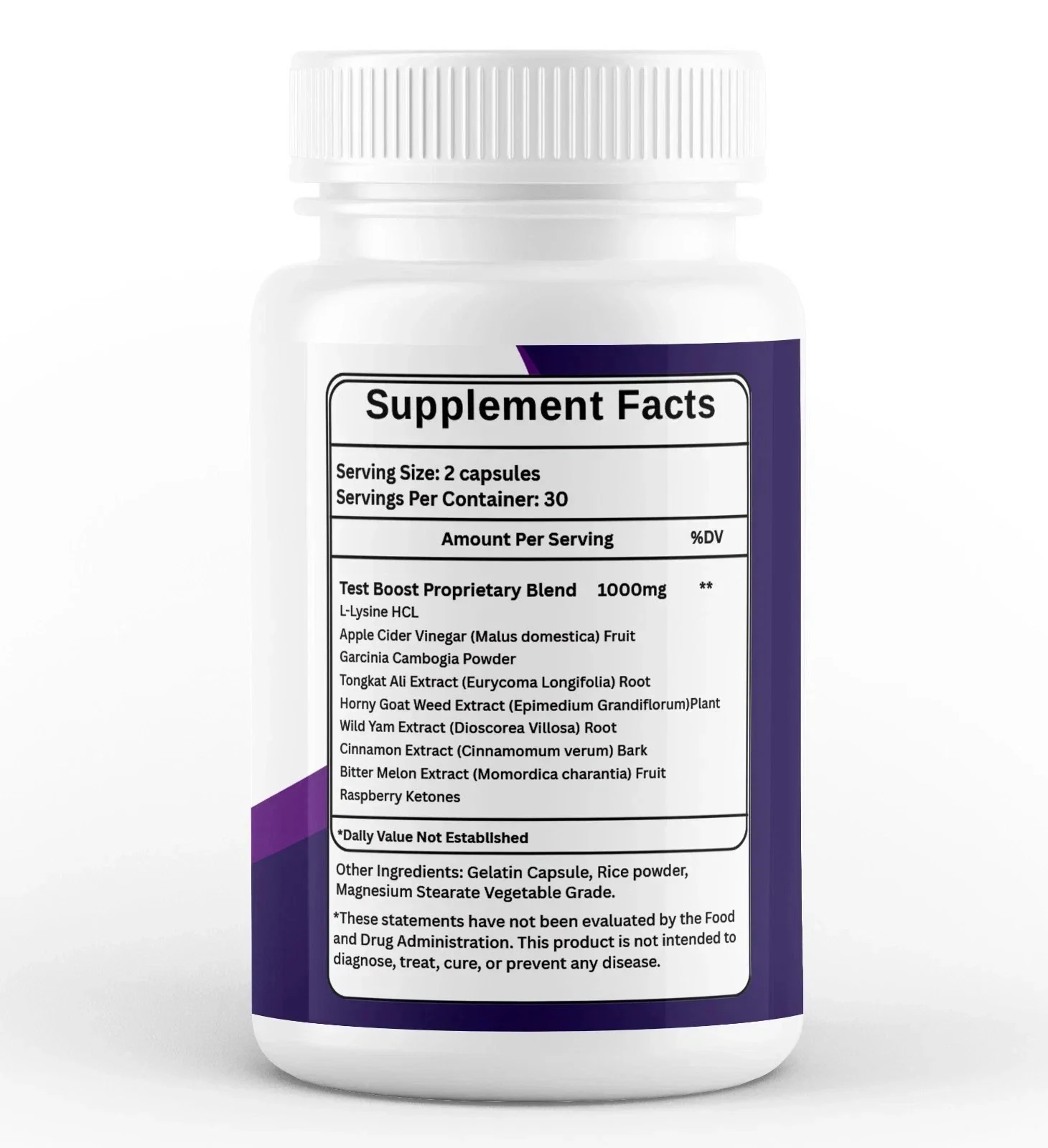
Cinnamon reaches supplement labels as at least two different plants with different coumarin content, and most packaging never says which. This panel says. It is the single most generous thing the artwork does, and it is worth understanding why.
- Cinnamomum verum is true or Ceylon cinnamon, the lower-coumarin species.
- Most cinnamon in general circulation is cassia, which carries substantially more coumarin.
- Coumarin is the only safety question cinnamon raises at supplement amounts, and the species largely settles it.
- The glucose trials ran anywhere from 120 mg a day to 6 g a day, a fifty-fold spread.
- This label names the species and the plant part, which most of this shelf does not.
One spice, at least two plants
Cinnamon is a bark. It is harvested from several species in the genus Cinnamomum, and the ones that reach commerce are not interchangeable even though they are sold under the same word.
Cinnamomum verum is true cinnamon, often called Ceylon cinnamon after where it was historically grown. It is the thinner, more fragile bark, it is more expensive, and it is a minority of what is sold.
Cassia covers several other species and supplies the large majority of the cinnamon in general circulation. It is the stronger-tasting, cheaper bark, and it is what most people have in a kitchen cupboard.
| Cinnamomum verum | Cassia cinnamon | |
|---|---|---|
| Common names | True cinnamon, Ceylon cinnamon | Chinese cinnamon, Saigon cinnamon, Indonesian cinnamon |
| Where most supermarket cinnamon comes from | A minority of it | The large majority |
| Coumarin content | Substantially lower | Substantially higher, and variable between samples |
| Which one the glucose trials used | Both, depending on the trial | Both, depending on the trial |
| What this panel prints | Cinnamomum verum, bark | — |
The last row is the reason this article exists. Naming the species answers the only safety question this ingredient raises.
What coumarin is, and why it is the question
Coumarin is a naturally occurring compound found in cinnamon bark and in a number of other plants. It has a pleasant smell, it has been studied for decades, and at sufficient intakes it has liver effects in animals and a tolerable intake set in humans.
The human safety assessment is where the intake limits come from, and it is the document to read rather than any secondary summary. A crossover study following absorption covers what happens after it is swallowed, which is the part most discussions skip.
None of this makes cinnamon dangerous at culinary amounts. It makes the species relevant at supplement amounts taken daily for months, which is a different exposure from a teaspoon in a cake.
How far apart the two species are
The measurement study is the one that makes this concrete. It quantified how much coumarin content varies between and within cinnamon species, and the gap is not subtle.
The practical consequence is that a daily cinnamon supplement made from cassia and the same supplement made from Cinnamomum verum deliver materially different coumarin loads at the same milligram figure. The label that names the species has told you which situation you are in.
Three things this does not mean:
- It does not mean cassia is unsafe to cook with. The exposures are different by orders of magnitude.
- It does not mean a Ceylon product carries zero coumarin. Lower is not none.
- It does not mean the species is the only variable. The amount still matters, and on a blend label it is unreadable.
What the glucose trials ran
Cinnamon's supplement reputation rests on blood glucose rather than on anything else, and the literature is larger than most botanicals manage.
| The evidence | The amounts it covers | What it concluded |
|---|---|---|
| A dose-response analysis | Across the published range | Pooled the relationship between amount and glucose effect |
| A review of the trials | 120 mg a day to 6 g a day | Recorded the range trials actually ran, over four to eighteen weeks |
| A Cochrane review | The same field | More cautious about what the trials support |
| The NIH centre's summary | Plain-language | The best short starting point for a non-specialist |
A fifty-fold spread between the smallest and largest daily amounts in the trial literature, which is the first thing to know before reading any cinnamon claim.
The review that recorded the range is the most useful single entry for a shopper, because it states what the trials actually administered: 120 mg a day at the bottom and 6 g a day at the top, across four to eighteen weeks.
A fifty-fold spread is the first thing to understand about any cinnamon claim. A product at the bottom of that range and a product at the top are both 'supported by trials', and they are not doing the same thing.
The Cochrane review is more cautious about what the field supports overall, and the NIH centre's plain-language summary is the best short version for somebody meeting the subject for the first time.
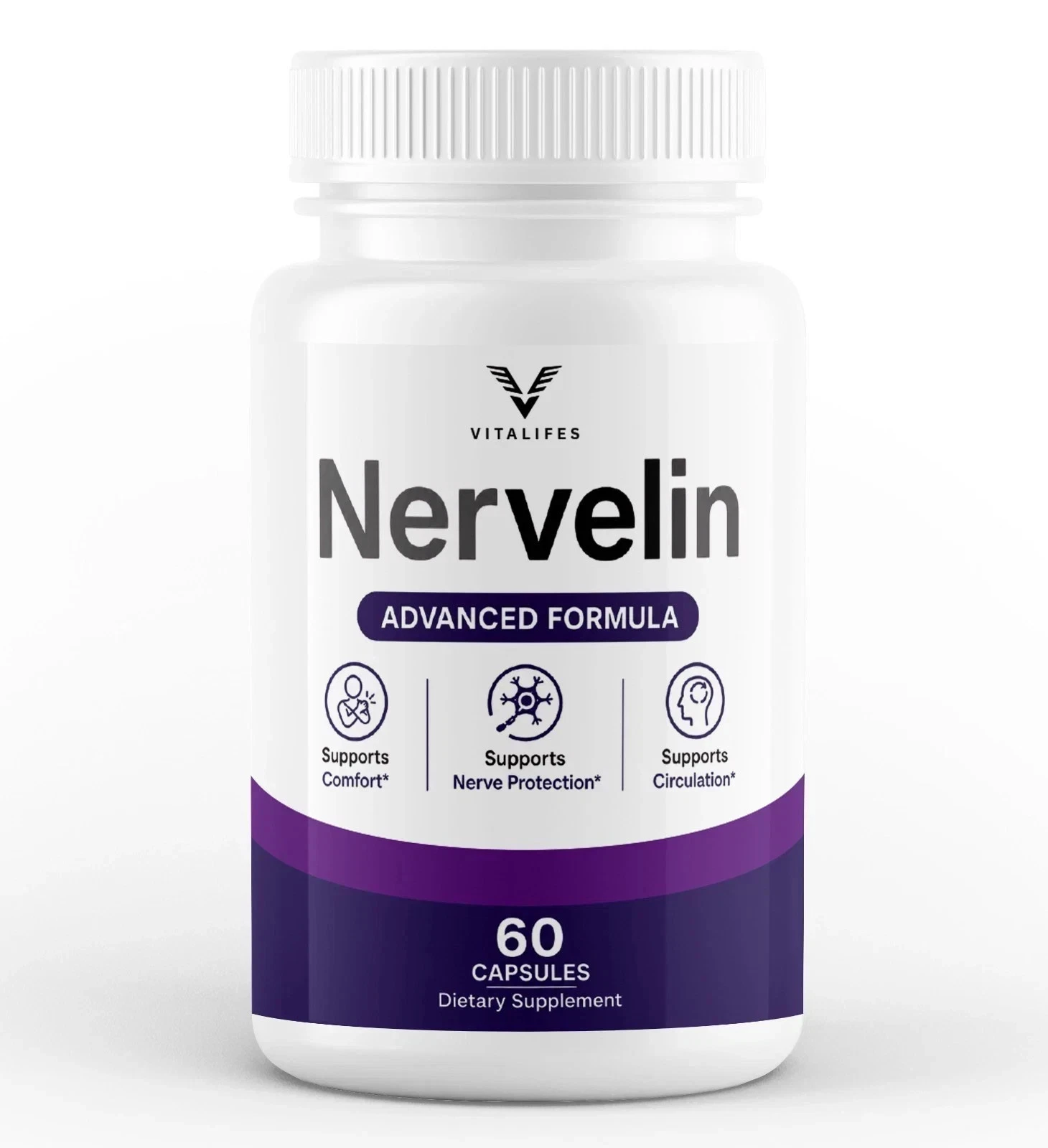
Nervelin: the species and the plant part, printed
Seven of the nine rows on this panel name a latin binomial and a plant part. The panel page reproduces every one of them exactly as printed.
Two capsules a day · 60 capsules a bottle · price at the marketplace checkout
Order Nervelin On The Official WebsiteLot NER-26/GE-1959 · marketplace return window · gelatin capsule
What “extract” adds, and what it withholds
The row on this panel says extract rather than powder, and the word carries real meaning that is easy to skip past. Ground bark is the whole plant material, dried and milled. An extract has been through a solvent, which concentrates some constituents and leaves others behind.
That concentration is the point. It is also why an extract cannot be compared with ground spice at the same milligram figure: 200 mg of a ten-to-one extract represents a great deal more starting material than 200 mg of powder, and it is not the same mixture either.
The ratio is the number that would settle it
A complete extract declaration carries a ratio — 4:1, 10:1 — or a standardisation, meaning a stated percentage of a marker compound. Either one lets a reader work out what they are holding.
This row carries neither. So the word tells you a preparation was used and stops short of saying how strong it is, which sits somewhere between the bare common name and a full declaration.
It is also worth noting which way the coumarin question runs here. Concentrating bark concentrates what is in the bark, so an extract of a lower-coumarin species is not automatically a lower-coumarin product at every strength. The species narrows the question considerably; it does not close it.
Reading this particular row
The row reads: Cinnamon Extract (Cinnamomum verum) Bark. Three pieces of information in nine words, and each one is worth something.
The species tells you which plant, and therefore which coumarin situation. The plant part tells you bark rather than leaf, which matters because the leaf of the same species has a different composition. And 'extract' tells you a preparation rather than ground spice, though without a ratio it does not tell you how concentrated one.
Compare that with how the same ingredient usually appears:
- “Cinnamon” — species unknown, part unknown, form unknown.
- “Cinnamon bark powder” — part known, species unknown.
- “Cinnamon extract 10:1” — concentration known, species unknown.
- “Cinnamon Extract (Cinnamomum verum) Bark” — species and part known, concentration unknown.
The last is the one on this bottle, and against the first three it is a clear improvement. That is worth saying on a site that spends a good deal of its time pointing out what this label does not tell you.
The limit the blend total puts on all of it
And here the generosity runs out. The row names the species and the part, and then the panel declares 1000mg for all 9 ingredients together, so the amount of cinnamon is not readable.
That undoes most of what the species buys you. Knowing you have the lower-coumarin plant matters more when you know how much of it you are taking daily for six months, and the second figure is not on the label.
It cuts the other way too. If the share is small — and nine ingredients in a gram means at least some of them are — then neither the coumarin question nor the glucose question arises with much force. Small amounts are safer and less likely to do anything, and those are the same sentence.
The species is named, which is above average for this shelf. The amount is not, which caps what the species is worth. Stated together here rather than separately in different sections.
What to do with this on any label
The transferable habit is small and takes about five seconds.
- Find cinnamon on the panel.
- Look for a latin name in brackets. Cinnamomum verum is the lower-coumarin species.
- Look for a plant part. Bark is what the trials used.
- Look for a weight. Without one, the first two tell you what you are taking but not how much.
- If you are taking cinnamon daily for months rather than weeks, the first two are worth seeking out.
That habit works on any bottle in any shop and it costs nothing. It is also the clearest single example on this whole panel of why naming a species is not pedantry: one bracket answers a safety question that would otherwise need a laboratory.
References
- Woehrlin F, Fry H, Abraham K, et al. Quantification of flavoring constituents in cinnamon: high variation of coumarin in cassia bark from the German retail market and in authentic samples from Indonesia. J Agric Food Chem. 2010;58(19):10568-75. PMID 20853872. https://pubmed.ncbi.nlm.nih.gov/20853872/
- Abraham K, Woehrlin F, Lindtner O, et al. Toxicology and risk assessment of coumarin: focus on human data. Mol Nutr Food Res. 2010;54(2):228-39. PMID 20024932. https://pubmed.ncbi.nlm.nih.gov/20024932/
- Abraham K, Pfister M, Woehrlin F, et al. Relative bioavailability of coumarin from cinnamon and cinnamon-containing foods compared to isolated coumarin: a four-way crossover study in human volunteers. Mol Nutr Food Res. 2011;55(4):644-53. PMID 21462332. https://pubmed.ncbi.nlm.nih.gov/21462332/
- Moridpour AH, Kavyani Z, Khosravi S, et al. The effect of cinnamon supplementation on glycemic control in patients with type 2 diabetes mellitus: An updated systematic review and dose-response meta-analysis of randomized controlled trials. Phytother Res. 2024;38(1):117-130. PMID 37818728. https://pubmed.ncbi.nlm.nih.gov/37818728/
- Allen RW, Schwartzman E, Baker WL, et al. Cinnamon use in type 2 diabetes: an updated systematic review and meta-analysis. Ann Fam Med. 2013;11(5):452-9. PMID 24019277. https://pubmed.ncbi.nlm.nih.gov/24019277/
- Leach MJ, Kumar S. Cinnamon for diabetes mellitus. Cochrane Database Syst Rev. 2012;2012(9):CD007170. PMID 22972104. https://pubmed.ncbi.nlm.nih.gov/22972104/
- National Center for Complementary and Integrative Health. Cinnamon. https://www.nccih.nih.gov/health/cinnamon