Nervelin Official Website › Nerve Supplement Guide
Nerve Supplement GuideThe Nerve Supplement Guide
Four things have controlled human trials in peripheral neuropathy and the dose each trial used is on record: alpha-lipoic acid, benfotiamine, acetyl-L-carnitine, and B12 where a medicine has depleted it. One vitamin in the same aisle causes the symptom at high doses. This guide covers all five.
Written for somebody standing in front of a shelf of nerve supplements with no idea which figures on the labels mean anything.
What the symptoms are, and why the cause decides everything
What the pattern looks like, how many causes there are, and why identifying yours comes before everything else.
Numbness, burning, pins and needles and a loss of feeling that starts in the toes and works upwards are the classic presentation of distal symmetric polyneuropathy: the longest nerves in the body failing first, on both sides, in a pattern people describe as stockings and then gloves.
A JAMA review of the condition sets out how common it is and how varied the causes are. Diabetes is the largest single one in the United States. Others include B12 deficiency, thyroid disease, kidney disease, alcohol, several chemotherapies, a handful of inherited conditions, and a group that stays idiopathic after everything reasonable has been checked.
The National Library of Medicine's plain-language page is the best starting point for somebody who has just noticed it. It is short, it is free, and it says the same thing this guide is about to say at greater length.
Some causes are treatable and some are reversible. B12 deficiency is both. Glucose control changes the trajectory in diabetes. A supplement taken for a year in place of finding out which cause you have is a year spent not treating something that could have been treated.
The four ingredients with controlled trials, and the dose each used
Four rows, and the middle column is the one worth writing down before you shop.
| Ingredient | What was tested | The dose the trial used | What it found |
|---|---|---|---|
| Alpha-lipoic acid | SYDNEY 2, then NATHAN 1 | 600 mg once daily for five weeks; 600 mg once daily for four years | Symptom improvement in the short trial; the long one is the durability test |
| Benfotiamine | BENDIP | 300 mg or 600 mg a day for six weeks | A fat-soluble thiamine derivative, tested at two doses in one trial |
| Acetyl-L-carnitine | two 52-week trials pooled, and a 355-day trial | 500 or 1,000 mg three times daily; 2,000 mg a day in the longer study | Pain and vibratory perception outcomes; Cochrane reviewed the whole field |
| Vitamin B12 | the Diabetes Prevention Program follow-up and a systematic review | Replacement of a measured deficiency, not a fixed supplement dose | Long-term metformin depletes B12; the mechanism review covers how that produces neuropathy |
Four rows, four dose columns you can actually use. Every figure here is the one a named trial ran, not a recommendation.
Read the dose column before the findings column. It is the part that transfers. Whatever you conclude about whether alpha-lipoic acid helps, you now know that the research on it ran at 600 mg once a day, and you can hold any label carrying it up against that number in a shop.
The pooled analysis of the intravenous trials is the older half of the alpha-lipoic acid story and is worth knowing about for one reason: the early work gave it by infusion, and an oral capsule is a different proposition from an infusion even at the same milligram figure.
A trial pairing acetyl-L-carnitine with methylcobalamin is the nearest thing in this list to a combination product, and it is instructive about what combination trials can and cannot tell you: it measured the pair, so neither component's own contribution was separated out.
- Four ingredients, four dose figures, all of them published and checkable.
- Every dose is per day, and three of the four ran for months rather than weeks.
- A label carrying one of these four at a fraction of the trial dose is carrying the name rather than the amount.
- A label carrying none of the four is not carrying this evidence base at all.
What the clinical guidelines actually say about supplements
Three documents, and what each of them puts first.
The 2022 American Academy of Neurology guideline update covers oral and topical treatment of painful diabetic polyneuropathy. It is a guideline about medicines, and the honest summary of its position on supplements is that they are not what it recommends.
The American Diabetes Association position statement reaches the same place from the other direction: glucose control first, then the medicines with trial evidence for symptoms, and screening at diagnosis rather than when something already hurts.
The Academy's practice parameter on evaluation is the one worth reading if you have symptoms nobody has investigated. It sets out which laboratory tests have the highest yield, and B12 is among them.
No guideline in this field recommends a botanical blend. A supplement is a thing you may choose to take alongside the treatable cause being addressed, and every guide on this website is written on that footing.
This is not an argument that supplements are worthless. It is an argument about order. The guidelines put identifying the cause first because the causes differ enormously in what they respond to, and because two of the commonest are things you can do something about.
The vitamin in this aisle that causes the symptom
One ingredient in this category has a documented capacity to cause what the category sells against. It is worth two minutes.
Vitamin B6 is the sharpest thing on any nerve supplement shelf and most shoppers have never been told about it. At ordinary dietary intakes it is a requirement. At high supplemental doses, sustained, it produces a sensory neuropathy — the same numbness and tingling the aisle is selling a fix for.
The European Food Safety Authority's 2023 opinion is the current upper-limit assessment and it is the document to read if you want the numbers rather than the summary.
A laboratory study of what high-dose pyridoxine does describes the mechanism that makes this more than a quantity problem: the form most supplements use, at high concentrations, appears to reduce B6 function rather than raise it. The paper calls it a paradox and the name has stuck.
The study of what happened when a regulator capped the dose is the strongest single piece of evidence here, because it is a natural experiment. A maximum was imposed on supplement B6, and the pattern of neuropathy reports changed.
- Look for B6, pyridoxine or pyridoxine hydrochloride on any nerve supplement panel.
- Check the amount and the per cent Daily Value beside it. Several hundred per cent is the figure worth pausing over.
- A blend total rather than a per-ingredient amount means you cannot check it at all, which is its own answer.
- This is a dose problem, not a poison. The vitamin at dietary amounts is not the subject of any of the work above.
For completeness: B6 is not on the label this website sells. Neither are the four ingredients in the previous section. The nine names on this panel are set out in full on the ingredients page, each beside the condition it was actually studied in.
How to read a nerve supplement label in ninety seconds
Six steps in order, none of which needs anything except the bottle in your hand.
Turn the bottle over first
The front is marketing and it is allowed to be. The Supplement Facts panel on the back is the regulated part, and it is where every answerable question is answered.
Look for amounts, not names
A name tells you what is in there. An amount tells you whether it is in there at a quantity anybody has studied. Names without amounts are the commonest shape on this shelf.
Find out whether there is a blend total
A line reading “proprietary blend, 900 mg” with eight names beneath it means one figure for eight ingredients. A 2026 paper on how shoppers read ingredient lists describes what people fill that gap with, which is mostly optimism.
Check the serving size and do the arithmetic
Two capsules is a common serving and a sixty-capsule bottle is then thirty days. A ninety-capsule bottle at three a day is also thirty days. The capsule count on the front is not the month count.
Read the other-ingredients line
Gelatin rules a capsule out for a vegetarian or vegan diet. This is also where you learn whether the shell is what you expected.
Compare what you found against the four doses above
That is the whole method. The four figures in the evidence-base table are the yardstick, and almost nothing on this shelf measures up to them.
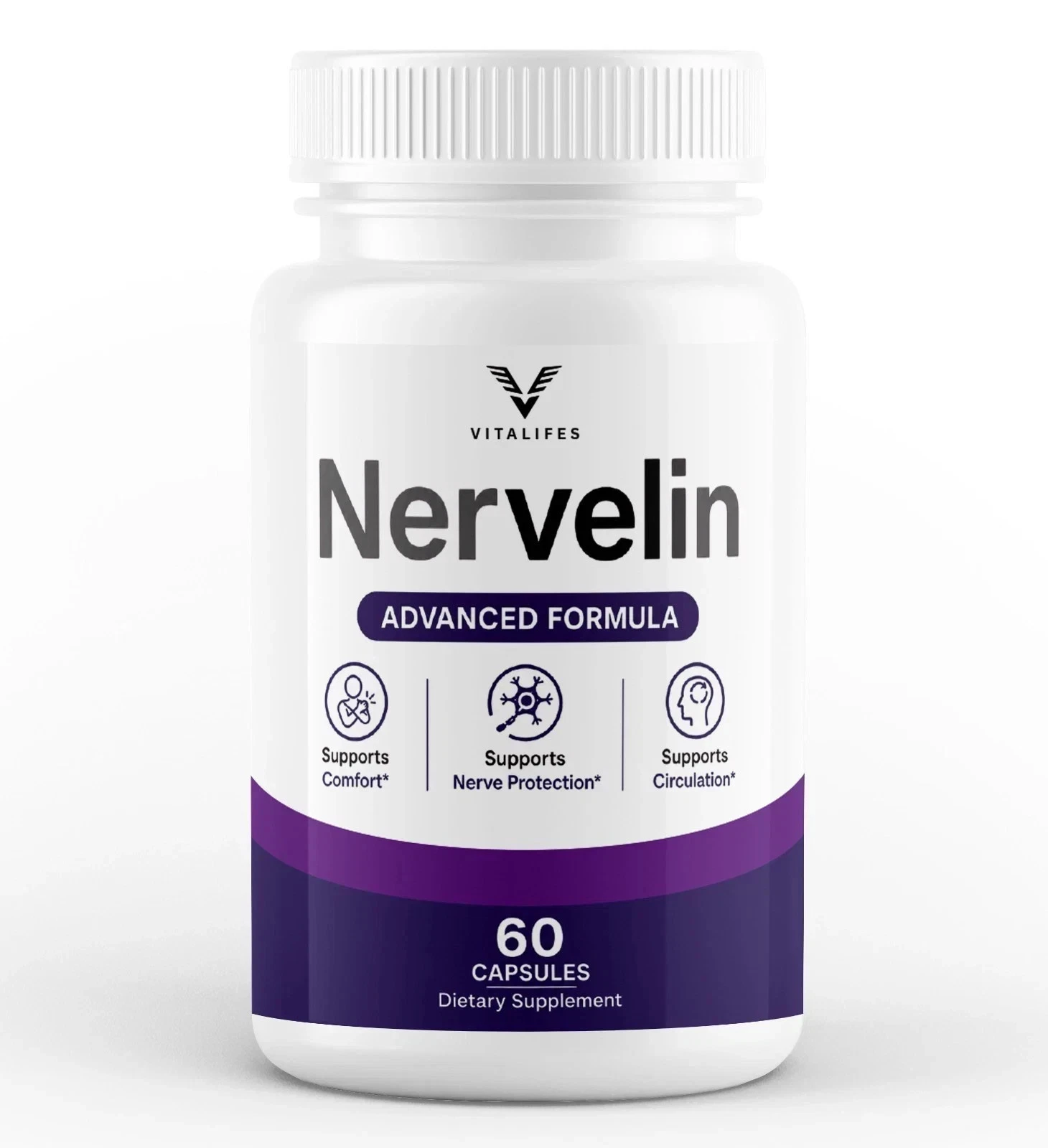
Applied to the bottle this website sells: the panel is headed “Test Boost Proprietary Blend, 1000mg” with 9 names under it and no figure against any of them, the serving is two capsules, the bottle is 60 capsules and therefore thirty days, and the shell is gelatin. The panel page reproduces every row.
What an assessment involves, and why it is worth one appointment
What the highest-yield tests are, and five signs that move an appointment up the list.
The practice parameter on evaluating this condition is unusually readable for a guideline, and its most useful section is about which tests have the highest yield. Blood glucose, B12 and a serum protein study are the ones it singles out.
The point of naming them is not to turn a reader into a diagnostician. It is that the list is short, the tests are ordinary, and the two commonest findings on it are both things that can be acted on.
An appointment also settles something a supplement cannot: whether the pattern you have is the pattern this whole category is aimed at. Several conditions produce similar sensations and respond to entirely different things.
| Sign | Why it does not wait |
|---|---|
| Weakness rather than only numbness | Motor involvement changes what is being looked for |
| Symptoms that arrived over days rather than months | A fast onset is a different question |
| One side only, or an arm before the feet | The stocking pattern is what the common causes produce |
| A foot ulcer, or a sore you had not felt | Loss of protective sensation is its own risk |
| A new medicine that arrived with the symptoms | Several medicines do this, and some are reversible |
Five things that make an appointment more urgent rather than optional. None of them is a reason to stop reading; all of them are a reason to stop waiting.
None of this argues against taking a supplement. It argues for knowing what you are taking it alongside, which is the difference between an informed purchase and a hopeful one.
Where a botanical blend sits in all of this
What a blend is and is not competing with, put plainly and without contempt for the shelf it sits on.
A botanical blend is not competing with the four ingredients in the evidence-base table, because it does not contain them. It is a different proposition: a group of plants and an amino acid, most of which have their own research in something else.
That is worth saying without sneering, because it is how most of the supplement aisle works and the alternative reading — that every blend is a fraud — is both unfair and useless. What a reader needs is the ability to tell the two situations apart.
So: an ingredient with a trial in the condition you have, at a dose you can read on the panel, is one thing. An ingredient with a trial in a different condition, at an amount the panel does not print, is another. The ingredients page on this site puts every one of the nine names on this label into the second category, explicitly, with the condition each was actually studied in.
The other half of the honest answer is that NCCIH and the NIH Office of Dietary Supplements both publish the same guidance for this situation and it is not complicated: tell whoever is treating you what you are taking, read the panel rather than the front, and be suspicious of any product that promises what a medicine would have to prove.
Sources behind this guide
Twenty-two references, every one fetched and confirmed rather than remembered, with the dose each trial used recorded beside it.
- Peripheral Neuropathy. MedlinePlus, National Library of Medicine. https://medlineplus.gov/peripheralnervedisorders.html
- Callaghan BC, Price RS, Feldman EL. Distal Symmetric Polyneuropathy: A Review. JAMA. 2015;314(20):2172-81. PMID 26599185. https://pubmed.ncbi.nlm.nih.gov/26599185/
- England JD, Gronseth GS, Franklin G, et al. Practice Parameter: evaluation of distal symmetric polyneuropathy: role of laboratory and genetic testing (an evidence-based review). Neurology. 2009;72(2):185-92. PMID 19056666. https://pubmed.ncbi.nlm.nih.gov/19056666/
- Price R, Smith D, Franklin G, et al. Oral and Topical Treatment of Painful Diabetic Polyneuropathy: Practice Guideline Update Summary: Report of the AAN Guideline Subcommittee. Neurology. 2022;98(1):31-43. PMID 34965987. https://pubmed.ncbi.nlm.nih.gov/34965987/
- Pop-Busui R, Boulton AJ, Feldman EL, et al. Diabetic Neuropathy: A Position Statement by the American Diabetes Association. Diabetes Care. 2017;40(1):136-154. PMID 27999003. https://pubmed.ncbi.nlm.nih.gov/27999003/
- Ziegler D, Ametov A, Barinov A, et al. Oral treatment with alpha-lipoic acid improves symptomatic diabetic polyneuropathy: the SYDNEY 2 trial. Diabetes Care. 2006;29(11):2365-70. PMID 17065669. https://pubmed.ncbi.nlm.nih.gov/17065669/
- Ziegler D, Low PA, Litchy WJ, et al. Efficacy and safety of antioxidant treatment with alpha-lipoic acid over 4 years in diabetic polyneuropathy: the NATHAN 1 trial. Diabetes Care. 2011;34(9):2054-60. PMID 21775755. https://pubmed.ncbi.nlm.nih.gov/21775755/
- Ziegler D, Nowak H, Kempler P, et al. Treatment of symptomatic diabetic polyneuropathy with the antioxidant alpha-lipoic acid: a meta-analysis. Diabet Med. 2004;21(2):114-21. PMID 14984445. https://pubmed.ncbi.nlm.nih.gov/14984445/
- Stracke H, Gaus W, Achenbach U, et al. Benfotiamine in diabetic polyneuropathy (BENDIP): results of a randomised, double blind, placebo-controlled clinical study. Exp Clin Endocrinol Diabetes. 2008;116(10):600-5. PMID 18473286. https://pubmed.ncbi.nlm.nih.gov/18473286/
- Sima AA, Calvani M, Mehra M, et al. Acetyl-L-carnitine improves pain, nerve regeneration, and vibratory perception in patients with chronic diabetic neuropathy: an analysis of two randomized placebo-controlled trials. Diabetes Care. 2005;28(1):89-94. PMID 15616239. https://pubmed.ncbi.nlm.nih.gov/15616239/
- De Grandis D, Minardi C. Acetyl-L-carnitine (levacecarnine) in the treatment of diabetic neuropathy. A long-term, randomised, double-blind, placebo-controlled study. Drugs R D. 2002;3(4):223-31. PMID 12455197. https://pubmed.ncbi.nlm.nih.gov/12455197/
- Rolim LC, da Silva EM, Flumignan RL, et al. Acetyl-L-carnitine for the treatment of diabetic peripheral neuropathy. Cochrane Database Syst Rev. 2019;6(6):CD011265. PMID 31201734. https://pubmed.ncbi.nlm.nih.gov/31201734/
- Li S, Chen X, Li Q, et al. Effects of acetyl-L-carnitine and methylcobalamin for diabetic peripheral neuropathy: A multicenter, randomized, double-blind, controlled trial. J Diabetes Investig. 2016;7(5):777-85. PMID 27180954. https://pubmed.ncbi.nlm.nih.gov/27180954/
- Aroda VR, Edelstein SL, Goldberg RB, et al. Long-term Metformin Use and Vitamin B12 Deficiency in the Diabetes Prevention Program Outcomes Study. J Clin Endocrinol Metab. 2016;101(4):1754-61. PMID 26900641. https://pubmed.ncbi.nlm.nih.gov/26900641/
- Pratama S, Lauren BC, Wisnu W. The efficacy of vitamin B12 supplementation for treating vitamin B12 deficiency and peripheral neuropathy in metformin-treated type 2 diabetes mellitus patients: A systematic review. Diabetes Metab Syndr. 2022;16(10):102634. PMID 36240684. https://pubmed.ncbi.nlm.nih.gov/36240684/
- Bell DSH. Metformin-induced vitamin B12 deficiency can cause or worsen distal symmetrical, autonomic and cardiac neuropathy in the patient with diabetes. Diabetes Obes Metab. 2022;24(8):1423-1428. PMID 35491956. https://pubmed.ncbi.nlm.nih.gov/35491956/
- EFSA Panel on Nutrition, Novel Foods and Food Allergens; Turck D, Bohn T, et al. Scientific opinion on the tolerable upper intake level for vitamin B6. EFSA J. 2023;21(5):e08006. PMID 37207271. https://pubmed.ncbi.nlm.nih.gov/37207271/
- Vrolijk MF, Opperhuizen A, Jansen EHJM, et al. The vitamin B6 paradox: Supplementation with high concentrations of pyridoxine leads to decreased vitamin B6 function. Toxicol In Vitro. 2017;44:206-212. PMID 28716455. https://pubmed.ncbi.nlm.nih.gov/28716455/
- van Hunsel F, Scholl J, Vrolijk M, et al. Impact of Regulatory Action on Dose Maximalization for Vitamin B6 Dietary Supplements on the Reporting Pattern for Neuropathy. Pharmacoepidemiol Drug Saf. 2025;34(2):e70108. PMID 39888171. https://pubmed.ncbi.nlm.nih.gov/39888171/
- Alsawadi A. The Perception Filler: A Proposed Conceptual Framework for Ingredient-Interpretation Gaps in Food Supplements. J Nutr. 2026;156(10):101803. PMID 42660500. https://pubmed.ncbi.nlm.nih.gov/42660500/
- Using Dietary Supplements Wisely. National Center for Complementary and Integrative Health, National Institutes of Health. https://www.nccih.nih.gov/health/using-dietary-supplements-wisely
- Dietary Supplements: What You Need to Know. Office of Dietary Supplements, National Institutes of Health. https://ods.od.nih.gov/factsheets/WYNTK-Consumer/
See how Nervelin reads against this guide
Nine names under one blend figure, each set beside the condition it was actually studied in and the dose that research used, with nothing estimated in between.
Two capsules a day · 60 capsules a bottle · price at the marketplace checkout
Order Nervelin On The Official WebsiteLot NER-26/GE-1959 · marketplace return window · gelatin capsule