Nervelin Official Website › Blog › Horny Goat Weed And The Icariin Number This Label Doesn't Print
Horny Goat Weed And The Icariin Number This Label Doesn't Print
Most of the research behind “horny goat weed” is actually research on icariin, one flavonoid compound inside the Epimedium plant, and how much of it a product delivers depends on the species, the growing conditions and how the material was processed. Three documents on Epimedium quality science, read together, explain why a label that prints only “Horny Goat Weed Extract” is not the same as a label that states a potency a laboratory could check.
- Icariin, not the raw plant material, is the compound most Epimedium pharmacology research actually studies.
- A 2021 study found icariin content fluctuates substantially with species, growing conditions and processing across the production chain.
- A 2024 pharmacopoeia paper built a formal multi-compound testing method specifically because a single generic name cannot characterize potency.
- A separate 2024 study showed a single pre-harvest agricultural treatment measurably changed icariin content.
- Fifth of nine by weight gives this row a ceiling of about 200 mg, with no icariin percentage printed on this panel.
Where horny goat weed sits in this blend, and what that sets
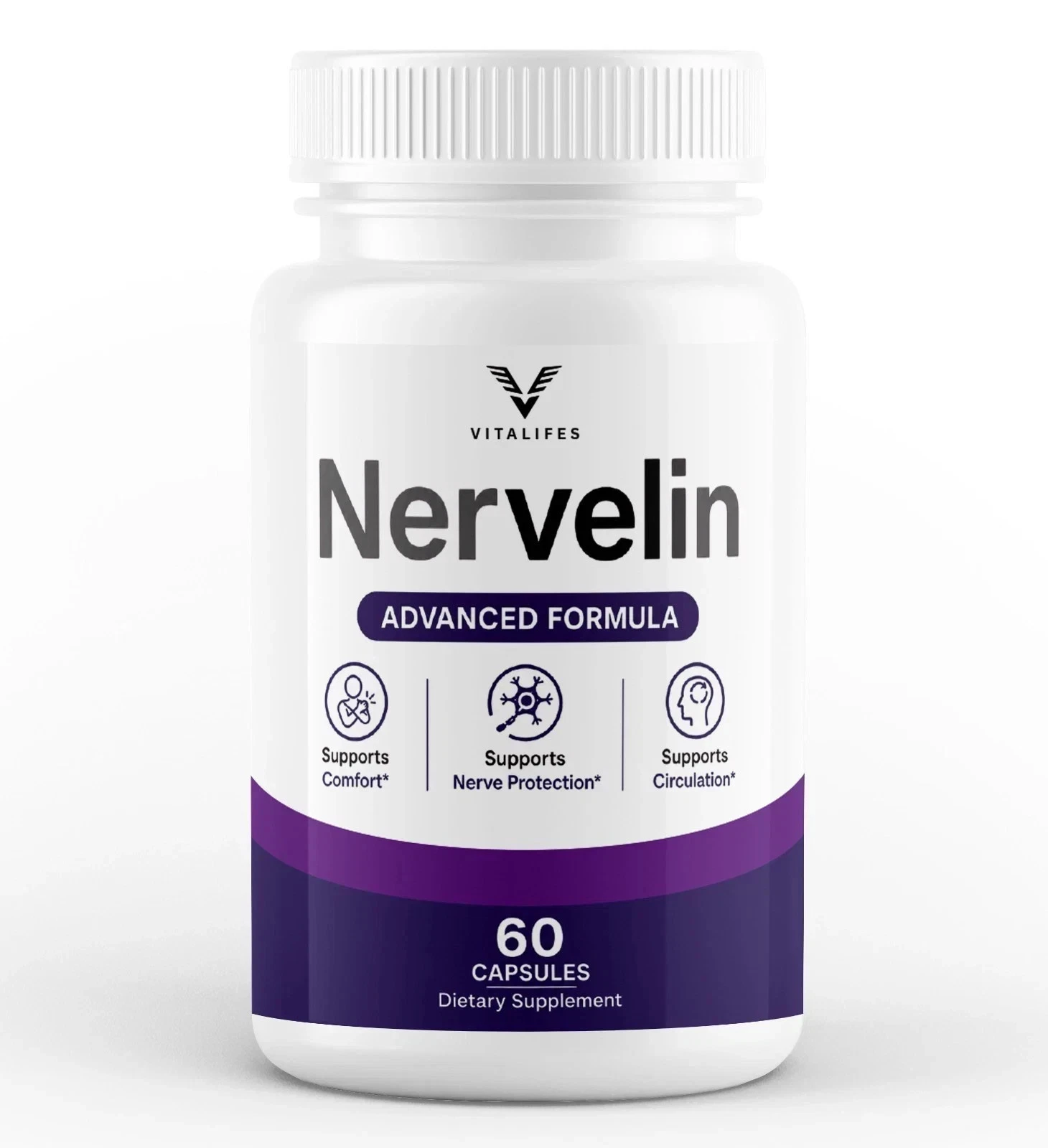
Horny Goat Weed Extract (Epimedium Grandiflorum) Plant is fifth of nine names on this panel. Under the labeling rule covered in this site’s blend-order piece, fifth position gives it a ceiling of roughly 200 mg of the shared 1,000 mg total, with the same shared floor of about 111 mg every row on this panel carries at minimum. This site’s other Epimedium coverage looks at what has been tested in rats and cells versus what has been tested in people. This page asks a narrower, more specific question: even setting the human-versus-animal-data gap aside, how much of the compound researchers actually study — icariin — does a product like this one likely contain, and why doesn’t the label say?
Icariin: the compound the research is actually about
When a paper studies Epimedium, or “horny goat weed,” the active compound most often under investigation is icariin, a flavonoid glycoside that gives the plant genus its researched pharmacology. Icariin content, not simply the presence of Epimedium leaf or root material, is what most laboratory and animal studies are actually measuring the effect of. This distinction matters immediately for a label that reads “Horny Goat Weed Extract,” because that phrase says nothing about how much icariin, if any meaningful amount, the extraction process concentrated into the finished ingredient.
The plant part used also affects this. Epimedium leaf (the material named “Epimedii Folium” in pharmacopoeia standards) and other plant parts do not carry identical icariin concentrations, and a supplement panel that names only “Horny Goat Weed Extract” without stating which plant part was used leaves that variable, on top of species and processing, unaddressed as well.
A 2021 study: why icariin content fluctuates so much in production
A 2021 paper in the Pakistan Journal of Pharmaceutical Sciences, “An explanation for fluctuations of icariin content in Epimedium production process,” is directly about this question. The researchers examined how icariin content varies across the Epimedium production chain — from which of several Epimedium species is harvested, to growing conditions, to harvest timing, to how the raw plant material is processed and dried — and found that these factors produce substantial swings in the final icariin concentration of the resulting material. Two batches of nominally the same herb, grown differently or processed differently, can carry meaningfully different icariin levels.
It means the phrase “Horny Goat Weed Extract” on a supplement panel describes a plant source, not a guaranteed potency. Without a stated icariin percentage or a named standardization marker, two products using that identical phrase can differ substantially in how much of the studied compound they actually deliver, independent of the total milligram weight either one prints.
A 2024 pharmacopoeia study: measuring thirteen compounds at once
A 2024 paper in Zhongguo Zhong Yao Za Zhi (the China Journal of Chinese Materia Medica) describes a UPLC-based method for determining thirteen separate chemical components of Epimedii Folium — Epimedium leaf, the plant part named in national pharmacopoeia standards — combined with a quantitative multi-component analysis technique. Studies like this exist because regulators and researchers in Epimedium’s countries of traditional use have recognized that a single icariin figure alone does not fully characterize a batch of the herb; multiple related flavonoid compounds, not just icariin, vary together and separately across sources.
The existence of a formal, multi-compound pharmacopoeia testing method is itself informative: it shows that Epimedium quality control is an active area of pharmaceutical science specifically because the raw material is inconsistent enough to need it. A consumer supplement panel that prints only “Horny Goat Weed Extract” with no accompanying marker compound percentage is not using the kind of specification this pharmacopoeia method was built to verify.
Nervelin: nine names, each beside the dose its own research used
The ingredients page sets every one of the nine against the condition it was actually studied in, so you can see what this label is and is not carrying.
Two capsules a day · 60 capsules a bottle
Order NervelinA 2024 study: even agricultural timing changes the number
A third 2024 paper, in BMC Plant Biology, tested whether spraying methyl jasmonate — a plant hormone-like compound used in agricultural research — onto Epimedium sagittatum before harvest could increase the plant’s icariin content, by activating genes involved in the flavonoid synthesis pathway. The study found that this pre-harvest treatment did significantly increase measured icariin content compared to untreated plants.
The relevance here is not that Nervelin’s Epimedium was or was not treated this way — this panel states nothing about agricultural practice, and neither this study nor any other tested this specific product. The relevance is what the study demonstrates in principle: icariin content is not a fixed property of “Epimedium” as a plant name. It is a variable outcome shaped by species selection, growing conditions, harvest timing, and post-harvest processing, all of which can be manipulated up or down before an extract is ever made. A raw material this responsive to agricultural variables is, by definition, not something a generic ingredient name can characterize precisely.
Why the named species is only part of the picture
This panel names “Epimedium Grandiflorum” specifically, which is one of more than a dozen Epimedium species used across the traditional-medicine and supplement trade, alongside others such as Epimedium sagittatum, Epimedium brevicornum, Epimedium koreanum and Epimedium pubescens. The 2021 fluctuation study and the 2024 pharmacopoeia study both work across multiple named species, because icariin and related flavonoid content is not identical species to species even before growing conditions and processing are factored in. Naming a specific species, as this panel does, is more precise than a generic “Epimedium” listing would be, and it is a genuine point in this label’s favor compared with a panel that named nothing. It is not, on its own, equivalent to a stated potency, because the research above shows that even within one named species, icariin content still swings with growing conditions, harvest timing and processing method.
A reader can reasonably hold two things at once here: naming the species is more informative than not naming it, and naming the species alone still leaves the potency question the three documents above actually study unanswered.
Reading this panel against all three documents
| What the research measures | What a label needs to show it | What this panel shows |
|---|---|---|
| Icariin content, the compound most Epimedium pharmacology research is actually about | A stated icariin percentage or standardization marker | “Horny Goat Weed Extract” only, no marker printed |
| Icariin content varying by species, growing conditions, and processing | A named Epimedium species and sourcing detail | “Epimedium Grandiflorum” named, no further sourcing detail |
| A formal thirteen-compound pharmacopoeia testing method used in quality control | Evidence this panel’s ingredient was tested to a comparable standard | No testing standard or certificate of analysis referenced for this row |
Fifth of nine gives this row a ceiling of about 200 mg of the total blend, which sets an upper bound on the raw material weight but says nothing about the icariin concentration inside that weight, the variable all three documents above actually studied.
The nerve question, answered honestly
None of the three documents above measured a nerve-health endpoint. All three are about Epimedium’s chemistry and production, not about any clinical outcome in people, nerve-related or otherwise. A reader arriving from a nerve-comfort carton deserves that stated plainly: this row’s researched chemistry is a quality-control and standardization question, and the ingredients with actual neuropathy trial data are a separate list this row is not on.
What standardization would look like on a panel like this one
Several botanicals sold as supplements carry a recognized marker compound that a manufacturer can choose to standardize against and print on a label — a stated percentage tied to a named compound, checkable by an independent laboratory. Epimedium is one of them: icariin is an identifiable marker compound with formal pharmacopoeia-level testing methods behind it, as the 2024 UPLC study above demonstrates. What distinguishes this row is not whether standardization is possible for Epimedium; the three documents above establish that it is, and that the scientific tools to measure it exist and are in routine use elsewhere in the Epimedium supply chain. What distinguishes this row is that this panel does not use that option: no icariin percentage, no reference to a pharmacopoeia standard, and no certificate of analysis are printed for this specific ingredient.
What this means for reading any Epimedium label
The practical lesson from these three documents extends beyond this specific panel: any supplement listing “Horny Goat Weed,” “Epimedium,” or “icariin” without a stated percentage or standardization figure is asking a shopper to trust an unverified potency. A label that does print a standardization marker — for example, “Epimedium Extract, standardized to 10% icariin” — is making a checkable claim a laboratory could verify. A label that prints only the plant name, as this panel does, is not, and the three documents above are the reason that distinction matters rather than being a technicality.
This is also a useful habit to carry into shopping for any Epimedium-containing product, not only this one. A percentage figure next to the compound name is the single fastest way to tell whether a manufacturer is disclosing potency or simply naming an ingredient, and the three documents above are the research record that explains why that figure, when it is present, is worth something: it ties a specific product back to a testable, reproducible measurement rather than to a plant name alone.
- Icariin, not the raw plant material itself, is the compound most Epimedium research actually studies.
- A 2021 study found icariin content fluctuates substantially with species, growing conditions, and processing across the Epimedium production chain.
- A 2024 pharmacopoeia study built a formal method to measure thirteen related compounds at once, evidence that a single generic ingredient name cannot characterize potency.
- A separate 2024 study showed even a single agricultural treatment before harvest measurably changes icariin content, underscoring how variable the raw material is.
- Fifth of nine by weight gives this row a ceiling of about 200 mg, with no icariin percentage or standardization marker printed on this panel.
- Naming a specific Epimedium species, as this panel does, is more informative than a generic listing, but it does not by itself answer the potency question the research above studies.
References
- Meng B, He Y, Wang Z, et al. An explanation for fluctuations of icariin content in Epimedium production process. Pak J Pharm Sci. 2021;34(6):2173-2180. PMID 35034878. https://pubmed.ncbi.nlm.nih.gov/35034878/
- Liu X, He XY, Liu BL, et al. Determination of 13 chemical components of Epimedii Folium in pharmacopoeia by UPLC method combined with quantitative analysis of multicomponents by single-marker. Zhongguo Zhong Yao Za Zhi. 2024;49(4):981-988. PMID 38621905. https://pubmed.ncbi.nlm.nih.gov/38621905/
- Yang L, Zhang S, Zhang Y, et al. Spraying methyl jasmonate before harvesting can significantly increase the content of icariin in an important leaf medicinal herb, Epimedium sagittatum, by activating the expression of genes involved in flavonoid synthesis pathways. BMC Plant Biol. 2024;24(1):1248. PMID 39722017. https://pubmed.ncbi.nlm.nih.gov/39722017/