Nervelin Official Website › Blog › Tongkat Ali's Safety Record: What The Toxicology Reviews Actually Found
Tongkat Ali's Safety Record: What The Toxicology Reviews Actually Found
This site has already covered what the testosterone trials found for Tongkat Ali and the doses they used. This page asks a different question: what do the safety and toxicology reviews say about the ingredient on its own, separate from whether it raises a hormone level. Three documents cover the ground, spanning traditional use, animal toxicology, and a combined-formulation safety check, and each one is honest about where its evidence stops.
- Three documents — a 2016 review, a 2021 formulation safety study, and a 2010 review — describe Tongkat Ali’s safety picture without a major red flag at studied animal doses.
- None includes a large, long-duration human safety trial, and none addresses contamination or extraction-quality concerns in the wider retail market.
- Fourth of nine by weight gives this row a ceiling of about 250 mg on this panel.
- Anyone on hormone-affecting medication has a specific, mechanism-based reason to raise this ingredient with a clinician first.
- None of the three safety documents measured a nerve-health outcome.
- None of this panel's extraction ratio, concentration, or sourcing is printed, so a reader cannot connect this capsule directly to any single study's extract.
Where Tongkat Ali sits in this blend, and what that sets
Tongkat Ali Extract (Eurycoma Longifolia) Root is fourth of nine names on this panel. Under the labeling rule covered in this site’s blend-order piece, fourth position gives it a ceiling of roughly 250 mg of the shared 1,000 mg total, with a floor of about 111 mg shared with every row if the nine were weighted evenly. This site’s other Tongkat Ali coverage has already looked at the testosterone-efficacy literature and the specific doses controlled trials used. This page asks a different question: what do the safety and toxicology reviews say about the ingredient itself, independent of whether it raises a hormone level.
The 2016 Molecules review: traditional use, chemistry, and toxicology together
The most complete single document is a 2016 review in Molecules, “Review on a Traditional Herbal Medicine, Eurycoma longifolia Jack (Tongkat Ali): Its Traditional Uses, Chemistry, Evidence-Based Pharmacology and Toxicology.” As the title states, the review covers four separate threads — ethnobotanical use, chemical constituents, pharmacological evidence, and toxicology — in one document, which makes it a useful anchor for a safety question specifically because toxicology is treated as its own section rather than a footnote to the efficacy discussion.
The toxicology section draws on animal studies assessing acute and repeated-dose toxicity of Eurycoma longifolia extracts, generally finding a wide margin between doses used in efficacy research and doses associated with adverse findings in animal models. A wide margin in animal toxicology is a reassuring signal, not a guarantee: it describes what has been tested, not every possible human response, and it says nothing about drug interactions or effects in people with existing liver or kidney conditions, populations animal toxicology studies do not model.
A 2021 safety evaluation of a combined herbal formulation
A 2021 paper in Pharmaceuticals, titled “Herbal-Based Formulation Containing Eurycoma longifolia and Labisia pumila Aqueous Extracts: Safe for Consumption?”, evaluated a combined product containing Eurycoma longifolia alongside a second traditional herb, assessing safety markers directly rather than only reviewing prior literature. This kind of study is informative for a different reason than the 2016 review: it looks at Eurycoma longifolia in combination with another botanical, which is closer to how the ingredient is actually sold and consumed in most commercial products, including proprietary blends, than a single-ingredient trial would be.
A safety finding for Eurycoma longifolia paired with Labisia pumila is not automatically the same as a safety finding for Eurycoma longifolia paired with the eight other names on this panel — L-lysine, apple cider vinegar, garcinia cambogia, horny goat weed, wild yam, Ceylon cinnamon, bitter melon and raspberry ketones. No combination study of this exact nine-ingredient formula exists, so this 2021 paper supports the general point that Eurycoma longifolia has been tested in combination without an adverse signal in that specific formulation, not a direct statement about this product.
The 2010 Fitoterapia review: ethnobotany and pharmacological importance
A 2010 review in Fitoterapia, “Tongkat Ali (Eurycoma longifolia Jack): a review on its ethnobotany and pharmacological importance,” covers the plant’s long use in traditional Southeast Asian medicine alongside the pharmacological research available at the time, including safety and toxicity findings from the animal literature. Read alongside the 2016 Molecules review, the two documents show a consistent picture across six years of subsequent research: a plant with an extensive traditional-use history, an accumulating pharmacological literature, and animal toxicology findings that have not raised a major red flag at the doses those studies tested, while genuine gaps remain in long-term human safety data and interaction studies with common medications.
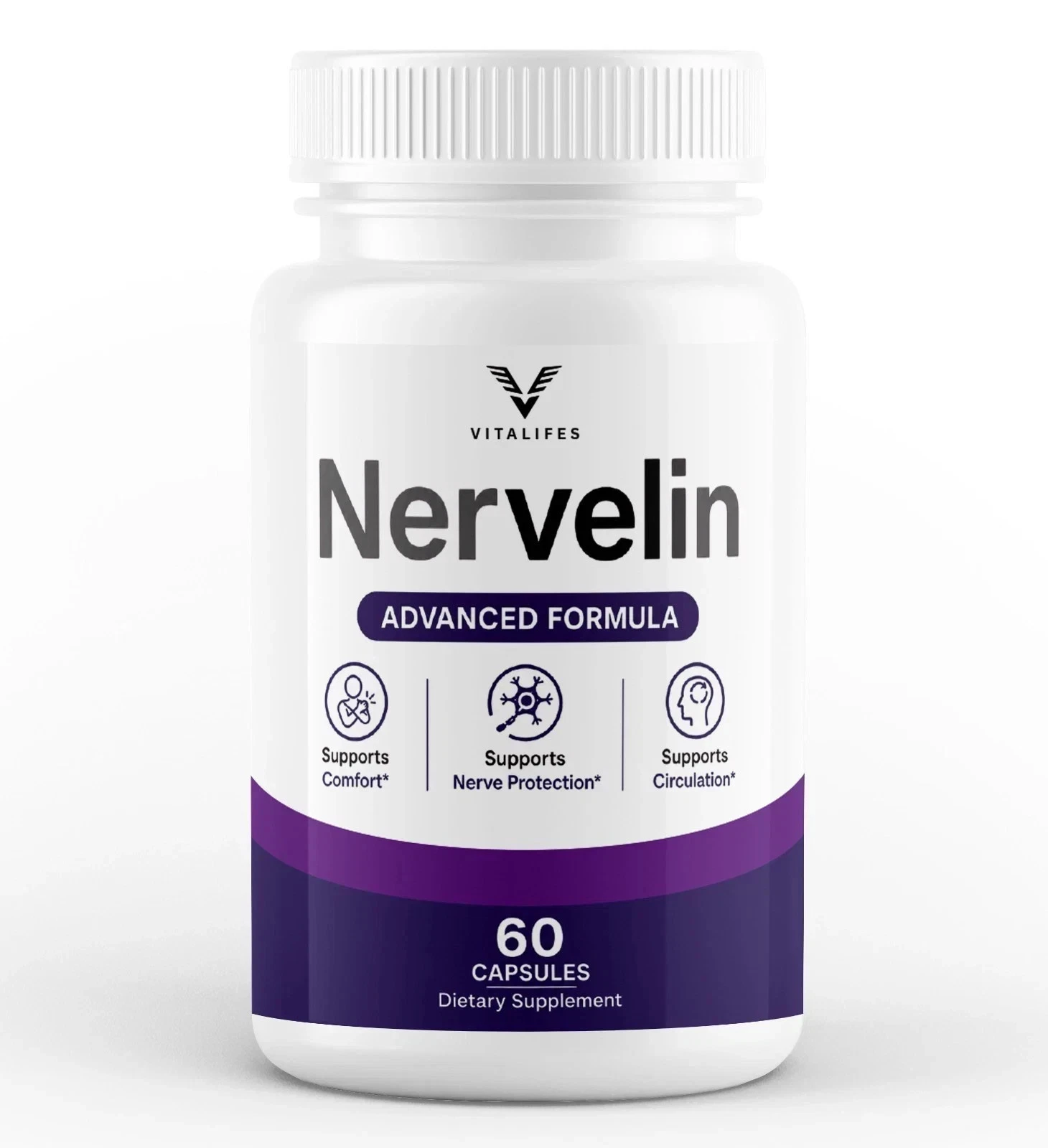
Nervelin: nine names, each beside the dose its own research used
The ingredients page sets every one of the nine against the condition it was actually studied in, so you can see what this label is and is not carrying.
Two capsules a day · 60 capsules a bottle
Order NervelinDoses in the safety literature versus doses on this panel
Toxicology and safety research is generally organized around defined daily doses of a defined extract, tracked over a defined period, the same design logic covered for other rows on this site. The animal studies summarized in the 2016 Molecules review worked with extract doses scaled to body weight in the animal models used, and the 2021 Pharmaceuticals formulation study evaluated a specific combined product at its own stated dose. Neither figure translates directly into a milligram amount for this panel’s fourth row, because “Tongkat Ali Extract” here carries no printed extraction ratio — no 1:50, no 1:100, no standardized percentage of the marker compound eurycomanone that some commercial extracts do print. A dose figure from a study using a 1:200 water-soluble extract and a dose figure from an unspecified extract inside a shared 1,000 mg blend are not directly comparable numbers, even when both are expressed in milligrams.
This is the same gap this site’s piece on the 2022 meta-analysis raises for the efficacy side of the ingredient, and it applies with equal force to the safety side: a study’s reassuring toxicology finding is tied to the specific extract and dose that study used, not to every product sold under the same common name.
Why extraction and sourcing matter for a safety conclusion
Eurycoma longifolia is harvested from wild and cultivated sources across Malaysia, Indonesia and Thailand, and the plant part, extraction solvent, and concentration ratio used by a given manufacturer are not standardized industry-wide. The 2016 Molecules review notes this variability as part of why comparing studies across the Tongkat Ali literature is difficult: two products both labeled “Tongkat Ali Extract” can differ substantially in what compounds, and how much of them, actually end up in the capsule. This matters for a safety reading specifically because a toxicology finding for a well-characterized research extract does not automatically extend to a differently sourced commercial extract with an unstated concentration, root-to-extract ratio, or country of origin, all facts this panel does not print for its fourth row.
None of this means the ingredient itself is unsafe. It means a reader who wants to connect this capsule’s printed name to a specific study’s reassuring toxicology finding cannot do so with the information this panel actually provides, the same limitation that runs through most of this site’s ingredient coverage.
What the safety literature does not cover
All three documents above are honest about their limits, and it is worth stating those limits directly rather than letting a reassuring summary paper over them. Animal toxicology studies, however well designed, do not perfectly predict human response, and none of the three documents report a large, long-duration, placebo-controlled human safety trial specifically designed to detect rare adverse events. Contamination and quality-control issues in commercially sold Eurycoma longifolia extracts — heavy metals, adulteration with undeclared pharmaceutical compounds, or inconsistent extraction ratios — are concerns the broader botanical-supplement literature raises for many traditionally sourced herbs, and the three documents above describe the plant and its studied extracts, not every product on a retail shelf sold under the same common name.
This panel does not state an extraction ratio, a standardization marker, or a country of origin for its Tongkat Ali row, which means a reader cannot connect this specific product to the specific extracts the toxicology literature evaluated, the same gap this site has flagged for the ceiling math above.
A reason to raise this with a clinician: hormone-sensitive conditions and medication
Because Tongkat Ali’s researched pharmacology centers on testosterone and related hormone pathways — covered in more detail in this site’s piece on the 2022 meta-analysis — anyone with a hormone-sensitive medical condition, anyone taking a hormone-affecting medication, or anyone already using another testosterone-supporting supplement has a specific, mechanism-based reason to discuss this ingredient with a physician before adding it, independent of the reassuring animal-toxicology findings summarized above. Reassuring toxicology in animals at studied doses is not the same statement as cleared for use alongside a specific medication or condition, and none of the three documents above tested that narrower question.
The nerve question, answered honestly
None of the three safety documents measured a nerve-health endpoint, and neither does the separate efficacy literature on testosterone this site covers elsewhere. A reader arriving from a nerve-comfort carton deserves that stated directly: Tongkat Ali’s researched pharmacology is hormonal, not neurological, and the four ingredients with actual neuropathy trial data are a separate list that does not include this row.
Reading a safety review the way this site reads an efficacy trial
It is worth being explicit about what a favorable safety review can and cannot establish, because the habit of reading it carefully is the same habit this site applies to efficacy claims elsewhere. A review that reports no major toxicology red flag at studied doses is reporting an absence of evidence for harm within the scope that review covered — the specific extracts, the specific doses, the specific study durations included in it — not a certificate of safety for every possible use, dose, combination, or population. The three documents above are consistent with each other and represent a genuine, multi-year body of published toxicology and safety work on this plant, which is more than several other rows on this panel can claim. That is a meaningfully different statement than this specific capsule, at its unstated dose, inside a nine-ingredient blend, has been tested for safety, which no document, including these three, has done.
- Three separate documents — a 2016 toxicology-inclusive review, a 2021 formulation safety evaluation, and a 2010 ethnobotany and pharmacology review — describe Tongkat Ali’s safety picture without a major red flag at studied animal doses.
- None of the three includes a large, long-duration human safety trial, and contamination or extraction-quality concerns affecting the wider botanical-supplement market are not addressed by any of them.
- Fourth of nine by weight gives this row a ceiling of about 250 mg on this panel, with no extraction ratio or standardization marker printed.
- Anyone on hormone-affecting medication or with a hormone-sensitive condition has a specific reason to raise this ingredient with a clinician before adding it.
- The safety literature is separate from the testosterone-efficacy literature covered elsewhere on this site, and neither one is a nerve-health finding.
References
- Rehman SU, Choe K, Yoo HH. Review on a Traditional Herbal Medicine, Eurycoma longifolia Jack (Tongkat Ali): Its Traditional Uses, Chemistry, Evidence-Based Pharmacology and Toxicology. Molecules. 2016;21(3):331. PMID 26978330. https://pubmed.ncbi.nlm.nih.gov/26978330/
- Teh BP, Ahmad N, Ibnu Rasid EN, et al. Herbal-Based Formulation Containing Eurycoma longifolia and Labisia pumila Aqueous Extracts: Safe for Consumption? Pharmaceuticals (Basel). 2021;14(2):152. PMID 33579048. https://pubmed.ncbi.nlm.nih.gov/33579048/
- Bhat R, Karim AA. Tongkat Ali (Eurycoma longifolia Jack): a review on its ethnobotany and pharmacological importance. Fitoterapia. 2010;81(7):669-679. PMID 20434529. https://pubmed.ncbi.nlm.nih.gov/20434529/